 Quality Assurance Inspections LLC
Thermography Inspections
What a Thermography Inspection Is
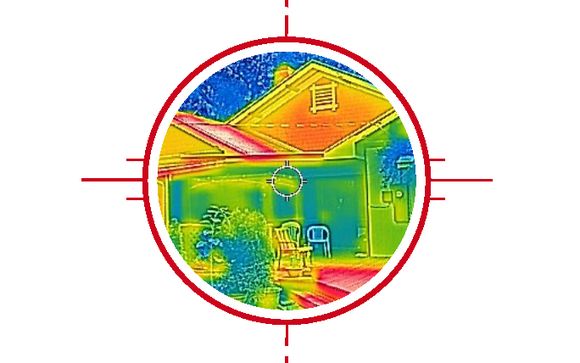
A thermography inspection uses infrared imaging to measure surface temperature variations across walls, ceilings, floors, electrical components, and mechanical systems. These temperature patterns help pinpoint defects that would otherwise remain concealed behind drywall or building materials.
What Inspectors Look For
Infrared cameras highlight anomalies that indicate underlying problems, including:
Moisture intrusion (cooler areas caused by evaporation)
Missing or damaged insulation
Air leaks around windows, doors, and penetrations
Overheating electrical components (breakers, wiring, outlets)
HVAC duct leaks or poor airflow
Roof leaks before they become visible
Thermal bridging where heat escapes through structural elements
These findings help determine whether repairs, sealing, or further investigation is needed.
Why Homeowners Request Thermography
Thermal imaging is especially valuable when:
Buying a home and wanting deeper insight into hidden defects
Investigating unexplained drafts, hot/cold spots, or high energy bills
Checking for moisture after storms or plumbing issues
Evaluating insulation performance in older homes
Ensuring electrical systems are safe and not overheating
Verifying the quality of recent construction or renovations
It provides clarity without cutting into walls or disrupting the home.
How the Inspection Works
Walkthrough to identify areas of concern
Infrared scanning of interior and exterior surfaces
Image capture showing temperature differences
Analysis of patterns that indicate leaks, moisture, or defects
Report with annotated thermal images and recommendations
The process is quick, non‑invasive, and highly effective when combined with moisture meters or electrical testing.
What You Get From the Inspection
A thermography report typically includes:
Thermal images showing problem areas
Explanation of each anomaly
Identification of moisture, insulation gaps, or electrical risks
Recommendations for repair, sealing, or further diagnostics
Guidance on improving energy efficiency and home comfort
It’s one of the most comprehensive ways to understand what’s happening behind the walls without opening them up.