 Quality Assurance Inspections LLC
Indoor Air Quality Testing
What Indoor Air Quality Testing Is
Indoor air quality (IAQ) testing measures the presence of airborne contaminants and environmental conditions that influence how clean, safe, and breathable the indoor environment is. Inspectors use specialized instruments to detect particles, chemicals, biological pollutants, and humidity levels that aren’t visible to the naked eye.
What Inspectors Look For
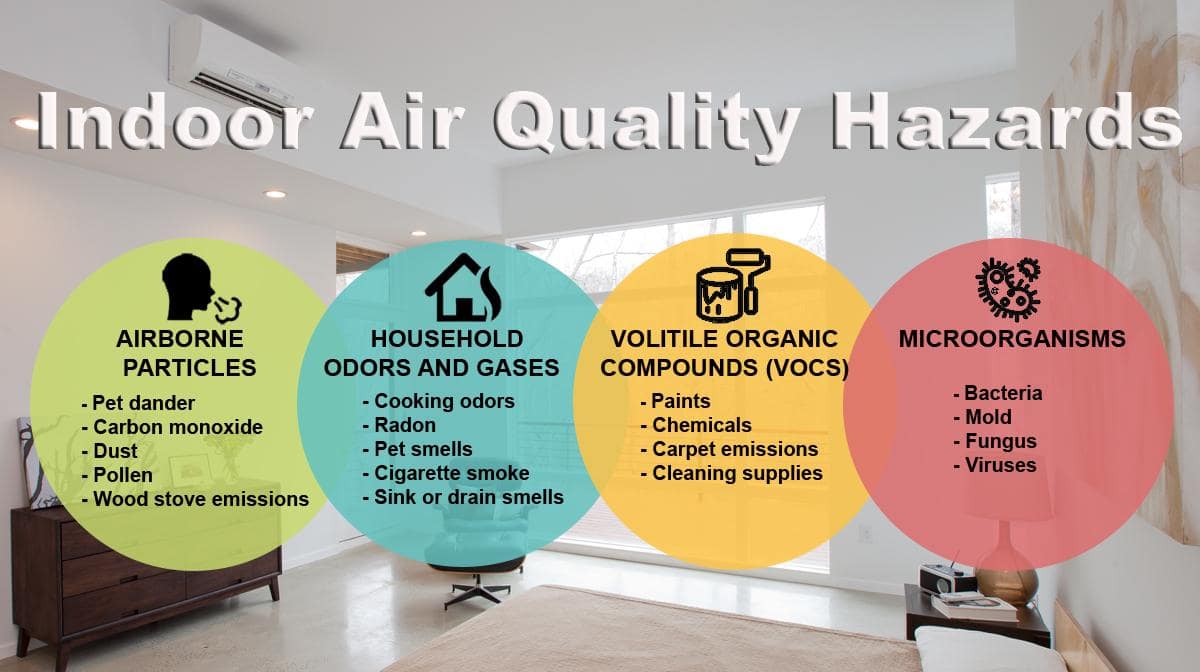
A complete IAQ assessment typically checks for:
Mold spores and moisture indicators
Volatile organic compounds (VOCs) from paints, cleaners, furnishings
Carbon monoxide (CO) and combustion byproducts
Particulate matter (PM2.5 / PM10) from dust, smoke, or poor filtration
Allergens such as pollen, pet dander, or dust mites
Humidity and temperature imbalances
Ventilation effectiveness (fresh air exchange, stagnant zones)
Formaldehyde from building materials or cabinetry These measurements help pinpoint sources of irritation, odors, or health symptoms.
Why Homeowners Request IAQ Testing
People typically seek indoor air quality testing when:
They notice musty odors, visible mold, or dampness
Family members experience allergies, headaches, or respiratory irritation
A home has recently undergone renovation or painting
They suspect poor ventilation or stale air
They want peace of mind before buying a home
They live in areas with high humidity, like coastal North Carolina IAQ testing provides clarity when symptoms or concerns don’t have an obvious cause.
How the Testing Works
Initial walkthrough to identify potential problem areas
Air sampling using pumps, cassettes, or real‑time sensors
Surface sampling if mold or residue is suspected
Instrument readings for VOCs, particulates, CO, humidity, and temperature
Lab analysis for mold or chemical samples when needed
Report and recommendations based on findings The process is non‑invasive and usually completed within an hour or two.
What You Get From the Inspection
A good IAQ report includes:
Clear readings and lab results
Identification of pollutant sources
Severity and potential health impacts
Recommendations for remediation, ventilation improvements, or moisture control
Guidance on long‑term prevention This helps homeowners make informed decisions about cleaning, repairs, or upgrades.