 Quality Assurance Inspections LLC
What Inspectors Look For
A proper inspection evaluates the entire length of the house sewer line and identifies issues such as:
Tree root intrusion
Joint offsets or misalignment
Cracks, breaks, or collapse
Corrosion or scale buildup
Standing water (“bellies”)
Grease buildup or debris
Pipe material type (PVC, cast iron, clay, etc.) These findings help determine whether cleaning, monitoring, spot repair, or full replacement is appropriate.
Why Homeowners Get Sewer Inspections
Inspections are typically requested when:
Multiple drains are slow or backing up
Toilets gurgle or fixtures drain inconsistently
The home is older (pre‑1970s or pre‑1980s materials like clay or cast iron)
Large trees are near the sewer line
Buying a home and wanting to avoid hidden underground liabilities
Planning major renovations that increase water usage or involve heavy equipment near the line These conditions often indicate deeper issues that simple drain cleaning cannot fix.
How the Inspection Works
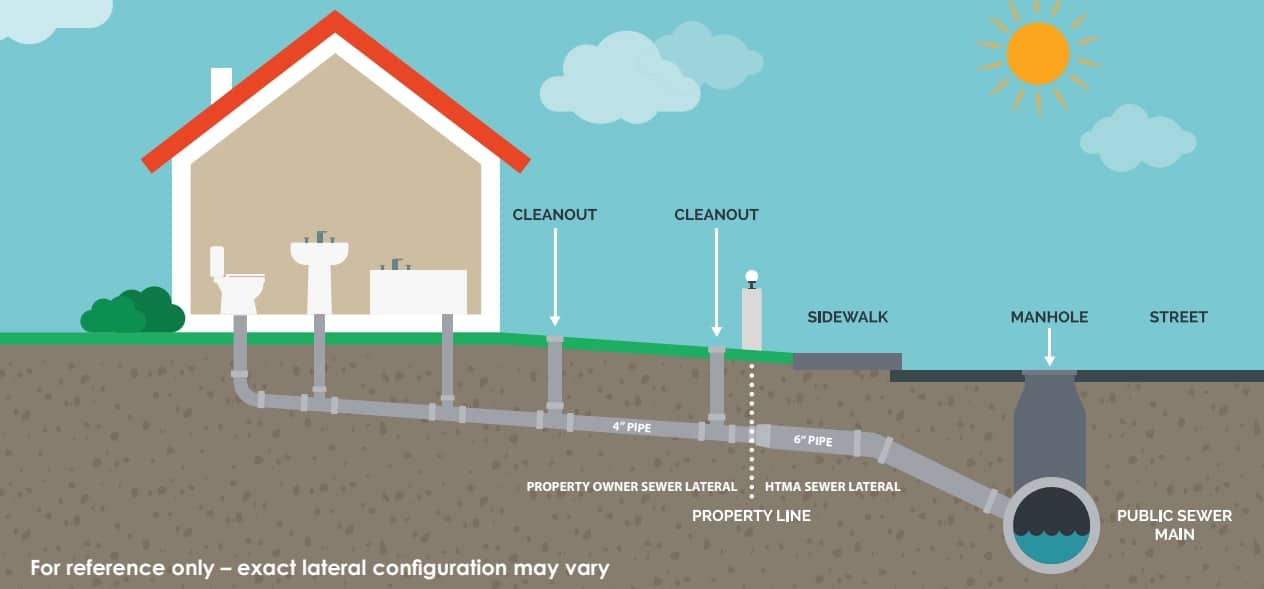
Locate access point (cleanout preferred).
Insert camera on a flexible push rod.
Navigate pipe while recording real‑time video.
Use locator tool above ground to mark exact depth and position of defects.
Document findings with video, distance measurements, and recommendations. The camera’s LED lighting and self‑leveling features ensure clear visibility throughout the pipe.
What You Get From the Inspection
A useful sewer inspection provides:
Clear video evidence of the pipe’s condition
Exact location and depth of any issues
Explanation of severity and risk
Guidance on whether to clean, repair, monitor, or replace Without this interpretation, the video alone is just footage — the value comes from understanding what the defects mean.